
Wild beaches and a cliff in Poddąbie - the most beautiful stretch of the coast
A cliff formed after a major storm, steep descents through the forest, and quiet, wide beaches. This is the history and beauty of the seaside landscape of Poddąbie.
The coast at Poddąbie is one of the most natural stretches of the Polish Baltic Sea. Instead of a promenade lined with huts and the bustle of a resort, there's a high cliff, a forest descending almost to the beach, and wide stretches of sand that can be completely deserted in the off-season. It's a landscape that's impressive year-round.
A cliff formed by a storm
The present-day shape of the Poddąbie coastline was determined by a powerful storm in 1914. The sea then engulfed not only many meters of beach but also the former part of the settlement, known as Alt Strand, along with its buildings. After the disaster, the houses were moved inland, and the steep, newly exposed slope was planted with a pine and beech forest, which still supports the escarpment today. Thus was born the cliff we know today.
How high is the cliff in Poddąbie?
Near the village, the cliff rises to about 35 meters , and about a kilometer to the east, it reaches over 40 meters. This makes it one of the highest and most spectacular escarpments on this stretch of coast. From its edge, a path running along the edge of the forest offers a wide view of the open sea. The cliff is a living nature in action—every strong storm rips away a section of the shore, so the landscape is constantly changing.
Descent to the beach
To reach the beach beneath the cliff, you must descend wooden stairs leading through the coastal forest. The stairs are quite steep and have many steps, but they preserve the shore's wild character. The beach itself is wide and sandy, and thanks to its location beneath a high escarpment, it offers a sense of seclusion rare on the Polish coast.
Amber and storms
The shore in Poddąbie is a good place to search for amber . The best conditions occur after autumn and winter storms, when the sea washes up ridges of seaweed onto the beach—a sign that amber has also washed ashore. Observing storms from the cliff, from a safe distance from the edge, is a unique experience: the turbulent Baltic Sea can reveal its true power here.
Peace instead of crowds
A walk along the cliff
The cliff in Poddąbie is best explored by following the path along its edge. This is part of the Red Seaside Trail , which runs along the coast and offers some of the most stunning views on this stretch of the Baltic Sea. The route is easy, though caution is required near the very edge of the escarpment—the coast is active and recedes annually. Walking eastward toward Dębina and Orzechów, you'll pass sections where the forest reaches almost to the cliff's edge, and the sea is visible through the treetops.
The forest that holds the shore
The pine, beech, and oak forests above the cliff are not just a decorative feature—they play an important role in stabilizing the steep slope. Much of it was planted after the 1914 storm to prevent further erosion. Today, they provide shade on hot days and create a natural buffer between the village and the sea. A dense network of paths runs through the trees, perfect for a leisurely stroll away from the beach bustle.
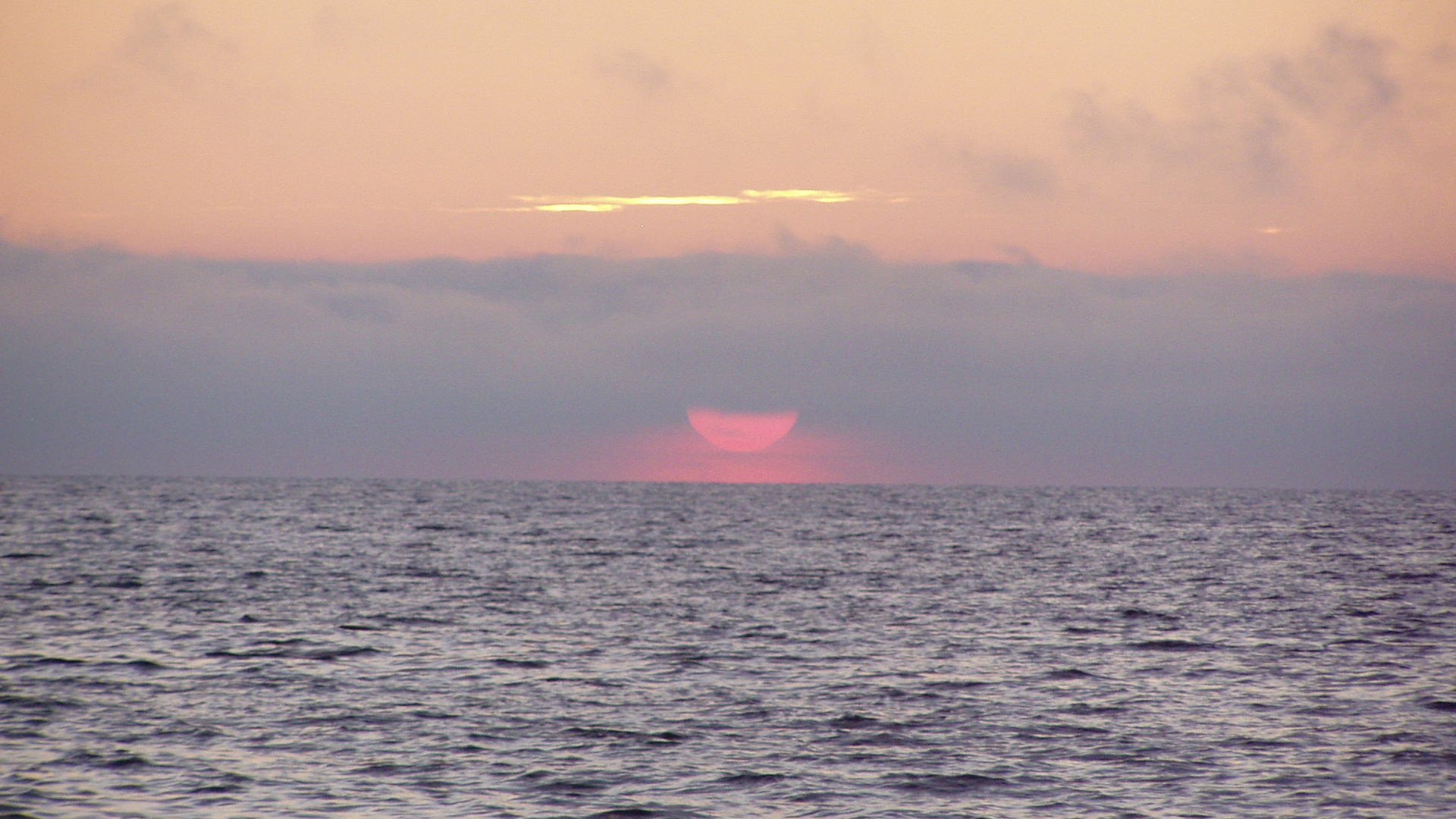
What sets Poddąbie's beaches apart is their tranquility. Summer attracts holidaymakers, but even then, it can be quieter than in larger resorts. In September and October—during the so-called Polish Indian summer—the beach is often deserted, the sand is still warm, and the sunsets are among the most beautiful of the year. For nature lovers and photographers, Poddąbie's seaside landscape is a place to return to.
📚 Read also
 🗺️ Guides
Access and parking in Poddąbie - a practical guide
How to get to Poddąbie and where to park? Practical guide 2026: routes, parking, getting around, and tips for the season.
Czytaj dalej →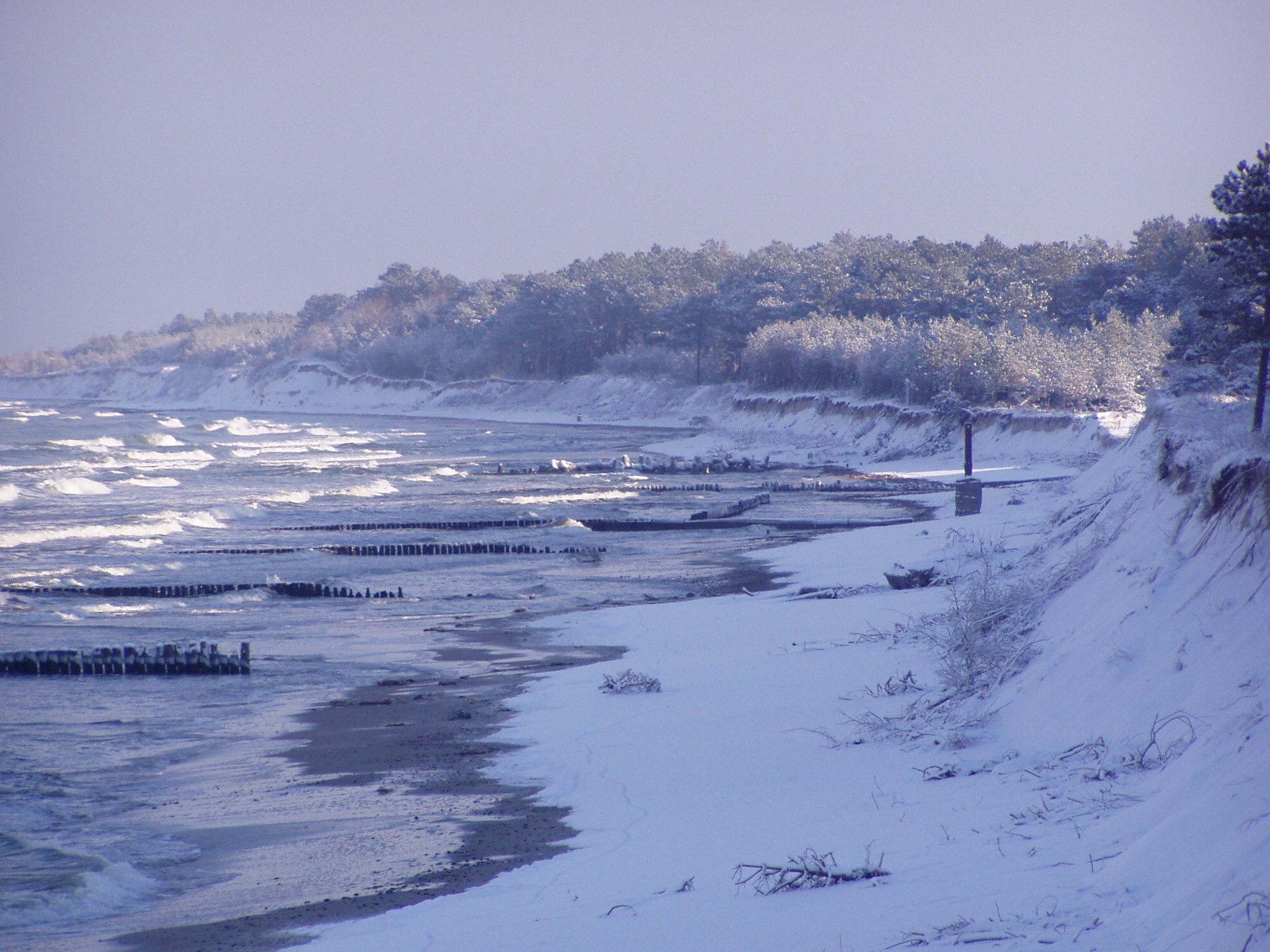 🗺️ Guides
What to do in Poddąbie when it rains? Rainy day ideas
A rainy day in Poddąbie? Proven ideas: indoor attractions, cafes, pools, and spas. Plus, up-to-date weather and live cameras.
Czytaj dalej → 🗺️ Guides
Where to eat and stay in Poddąbie - a practical guide
How to plan a stay in a quiet seaside village: what to expect from the accommodation and dining options in Poddąbie and the surrounding area.
Czytaj dalej →Planning a holiday in Poddąbie?
Check accommodation, dining, attractions and events on the portal — all in one place.